Essential Pipe Services: Why You Require a Professional Today
In any dwelling, water system problems can surface suddenly, generating considerable trouble. Situations such as stopped-up drains or seeping pipes often require more than personal repairs. Partnering with a certified plumber not only resolves present issues but also establishes the groundwork for preventative upkeep. Comprehending the main services available can enhance homeowners to make educated choices. The matter remains: what are the important plumbing needs that every homeowner should be familiar with?
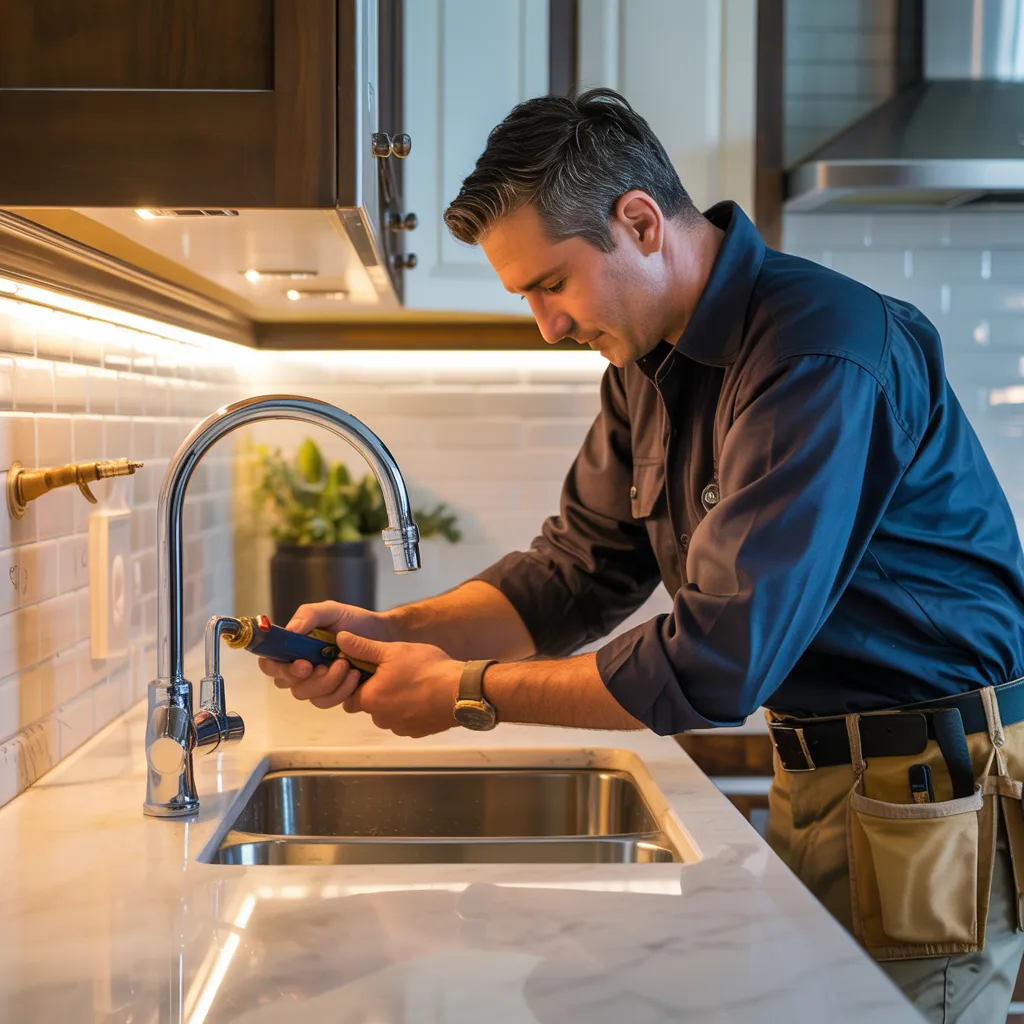
Primary Plumbing Issues and How to Resolve Them
If homeowners come across plumbing issues, they often deal with common problems that need prompt attention. Clogged drains are one of the most frequent concerns, often caused by the buildup of grease, hair, and debris.
Homeowners may momentarily relieve this by using a plunger or drain auger, but persistent clogs typically demand professional support.
Leaking faucets are another widespread issue, causing water waste and elevated utility bills. A simple replacement of washers or O-rings can typically address this matter.
Moreover, running toilets can waste notable water, generally due to a faulty flapper or fill valve. Homeowners may endeavor to resolve this by fine-tuning or swapping parts themselves.
To summarize, burst pipes, commonly resulting from icy conditions, require swift professional involvement to prevent extensive water damage.
Recognizing these frequent plumbing issues enables homeowners to obtain timely solutions and upkeep their home's plumbing setup successfully.
Why Regular Upkeep Matters
Regular maintenance is critical for keeping the longevity and efficiency of a home's water system. Periodic inspections can recognize hidden problems before they escalate, saving homeowners from expensive maintenance.
Basic activities, such as inspecting for leaks, cleaning faucets, and inspecting water heaters, can greatly enhance system performance. Additionally, regular upkeep helps to maintain water quality, as sediment accumulation in pipes can lead to contamination.
Property owners ought to also think about arranging expert drain service to avoid clogs. By investing in regular upkeep, homeowners not only ensure their plumbing functions properly but also boost the overall value of their property.
Adopting a preventative plan for plumbing maintenance in the long run generates a tranquil residential setting.
Critical Pipe Work Remedies
Tackling a plumbing crisis can be burdensome for any homeowner, making it vital to comprehend important services that can offer immediate relief.
Emergency plumbing assistance offers fast-acting crews ready 24/7, prepared to address difficulties including burst pipes, substantial leaks, or toilets running over. These seasoned professionals can quickly assess the predicament and implement interim repairs to prevent further damage.
Additionally, services often include drain cleaning, water heater repairs, and sewer backups. Homeowners should also familiarize themselves with the importance of shutting off the main water supply in critical situations.
Ultimately, having access to emergency plumbing solutions not only minimizes damage but also ensures peace of mind during distressing times. Preparedness in these situations can conserve both time and money.
How to Handle Frequent Plumbing Issues
Plumbing issues can disrupt daily life, but many typical problems have uncomplicated answers. A blocked pipe can often be resolved with a plunger or a combination of baking soda and vinegar. This technique helps dissolve buildup without harsh chemicals.
Dripping taps, yet another common problem, may only need a washer replacement; turning off the water supply and unscrewing the faucet enables easy access to the components.
To manage excessively running toilets, modifying the float or swapping the flapper can return normal working order. For low water pressure, inspecting aerators or showerheads for blockages is an worthwhile first stage.
Ultimately, homeowners can frequently fix minor pipe leaks using epoxy putty or adhesive tape as a interim fix. These simple techniques allow individuals to address everyday plumbing issues effectively, encouraging a sense of self-sufficiency. However, persistent issues may require deeper investigation.
When do you need to contact a professional plumbing professional?
When should one determine the right time to reach out to a qualified plumbing professional? Noticing particular signs can help homeowners in deciding appropriately.
Constant leaks that fail to respond to short-term repairs indicate a more grave underlying issue. Clogged drains that resist typical cleaning procedures may require professional intervention to prevent substantial harm.
Furthermore, if a property owner encounters low water pressure or discolored tap water, these may indicate plumbing problems that should not be ignored.
Serious concerns including sewer line overflows or major water deterioration demand immediate professional support to curb risks.
Property owners should also assess the age and condition of their water pipe networks; aging or damaged pipes often result in pricey maintenance if not tackled quickly.
When all is said and done, when in doubt, consulting with a qualified plumber can help save time, money, and extra problems.
How Preventive Care Preserves Your Budget and Minimizes Complications
Investing in preventative maintenance can considerably diminish the likelihood of costly repairs and unwelcome problems. Regular inspections and maintenance of plumbing infrastructure can recognize minor issues before they progress into critical issues. For example, small leaks, corroded pipes, or clogged drains can be addressed promptly, preventing homeowners from expensive repair bills ahead.
Furthermore, effective preventative measures boost the overall performance of pipe networks. By confirming that plumbing components are in optimal shape, property owners can prevent the additional costs associated with higher water bills resulting from leaks or inefficiencies.
Additionally, preventative upkeep preserves property value. A well-maintained plumbing system is appealing to potential buyers and can prevent future disputes or negotiations related to repairs.
Ultimately, dedicating funds to preventative maintenance not only secures monetary resources but also gives mental ease, making it a good choice for residents working to steer clear of difficulty.
Why Regular Plumbing Inspections Matter
Consistent plumbing check-ups are essential for upkeeping a home's framework. These assessments allow technicians to identify potential issues before they multiply into costly repairs. By dealing with problems such as drips, clogs, or see information on this worn pipes early, homeowners can eliminate extensive damage to their property and secure a protected living environment.
Moreover, periodic evaluations boost the overall efficiency of plumbing systems. They can identify inefficiencies that generate increased water bills, helping homeowners to make necessary adjustments.
Regular upkeep also extends the operational life of plumbing installations and equipment, encouraging long-term savings.
Furthermore, a well-serviced plumbing system enhances home value, making it more attractive to potential buyers.
In the final analysis, placing emphasis on periodic plumbing assessments is critical for preserving a home's effective operation and soundness, bestowing peace of mind to homeowners troubled by unforeseen plumbing emergencies.
Preliminary Inspection Process
When a plumbing repair call is initiated, the technician shows up ready to assess the situation systematically. The procedure begins with a thorough evaluation of the property, often commencing with a conversation about the reported issues.
The technician then examines plumbing parts that can be seen, including pipes, fixtures, and appliances, searching for indications of wear or damage. They may also use analytical equipment to discover latent issues that are not immediately apparent.
During this starting inspection, the technician gathers written details and photographs to log results. This detailed examination helps in forming an valid assessment and creates the foundation for any critical repairs.
In the end, this structured methodology guarantees that no aspect of the plumbing system is overlooked, promoting practical outcomes.
Service Completion Assessment
After recognizing and resolving typical plumbing problems, the technician will move forward with the completion of service.
This phase involves a thorough inspection of the work performed to guarantee quality and conformity with safety regulations. The technician will explain the repairs made and any preventative measures homeowners can take to circumvent future problems.
A detailed invoice will be presented, outlining the services rendered and associated costs. Payment options will be discussed, enabling clients to choose a method that suits them best.
In conclusion, the technician will organize the work area, making it presentable and confirming that all tools and materials are removed.
Satisfied clients can expect a follow-up call or email to confirm everything is functioning properly after the appointment.
Popular Questions That Are Often Asked
How Can I Determine the Ideal Plumbing Specialist for My Needs?
To select the best plumber, one should investigate credentials, read customer reviews, evaluate estimates, and guarantee proper permits and coverage. Personal recommendations can also offer valuable insights into dependability and service quality.
What Certifications Are Needed for a Accomplished Plumber?
A professional plumber should have appropriate credentials, extensive training, and expertise in plumbing systems. They should also be licensed and insured, showing their adherence to industry standards and guaranteeing quality service for different plumbing requirements.
Do Urgent Plumbing Services Operate Around the Clock?
Emergency plumbing services are indeed offered 24/7. Professionals in the field focus on rapid response to pressing problems, ensuring that customers get prompt support whenever plumbing emergencies arise, no matter the hour or day.
How Can I Avoid Plumbing Issues in Older Homes?
Preventing plumbing issues in older homes demands regular inspections, routine maintenance, and prompt fixes. Modernizing outdated fixtures and maintaining proper drainage can also markedly reduce the risk of future plumbing difficulties.
Which plumbing tools ought to I possess at Home?
A homeowner needs essential plumbing tools, such as a plunger, pipe-turning wrench, adjustable wrench, basin wrench, measuring tape, and a collection of screwdrivers. These tools establish a basic foundation for addressing small plumbing problems successfully.